
What Is Photography for Beginners?
At first, photography for beginners may feel overwhelming. There is a lot to learn about lighting, camera settings, and composition. However, once you understand the basics, taking better photos becomes much easier.
If you want hands-on experience, you can explore our booking page to schedule a professional photography session.
Essential Tips in Photography for Beginners
1. Understanding Light and Exposure
First, light is the foundation of photography for beginners. Learning how natural light works, especially during golden hour, can instantly improve your photos. Exposure is controlled by aperture, shutter speed, and ISO. If you want a deeper explanation of exposure settings, you can read this detailed guide from Digital Photography School.
2. Master Basic Composition Rules
In addition, Composition determines how your subject appears in the frame. For example, photography for beginners often starts with the Rule of Thirds. As a result, positioning your subject along grid lines creates a more balanced and visually appealing image.
3. Practice with Different Angles
As a result, Photography for beginners improves quickly when you experiment with angles. For instance, try shooting from low angles, high angles, or side perspectives to create more dynamic images.
Exploring Photography

The Art of Light
First, the art of photography is the capture of light to produce an image. In fact, a photograph wouldn’t exist without light. Whether the light is soft and natural or sharp and dramatic, it can completely change the mood and meaning of a photo.

A Journey Through Time
Over time, the development of photography since the 19th century has been remarkable. From early film cameras to the most recent digital cameras, technology has completely changed the way we capture and share images. As a result, what once required complex equipment can now be done with a smartphone.

Capturing Emotions
Moreover, photography is more than just technical. It is expressive and imaginative. A powerful photograph has the ability to convey stories without the use of words, freeze memorable moments, and capture true feelings. Therefore, it makes it possible for viewers to relate to the topic more deeply.
Anyone Can Start
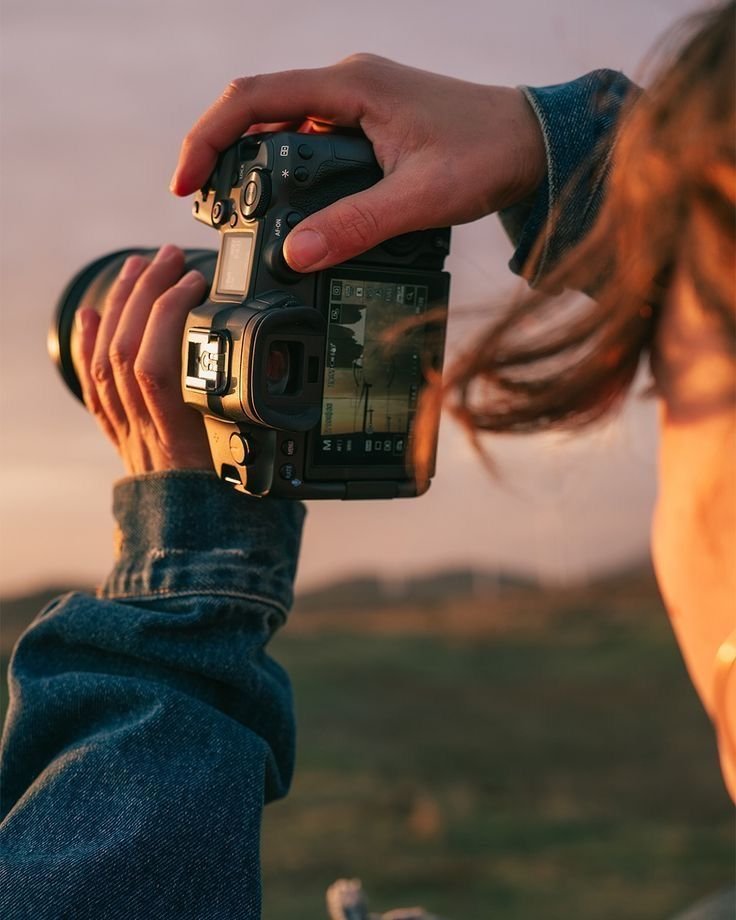
To start photography, you don’t need expensive equipment. For example, a simple camera or even a phone can be used by anyone to practice timing, lighting, and composition. Creativity and an openness to learning are what really count.

Creativity and Perspective
In addition, every photographer sees the world differently. Framing and angles shape how a photo looks. The same subject can appear completely different in another person’s image. The same topic can be photographed by two different people and the results will be quite different.
Telling Stories Through Images
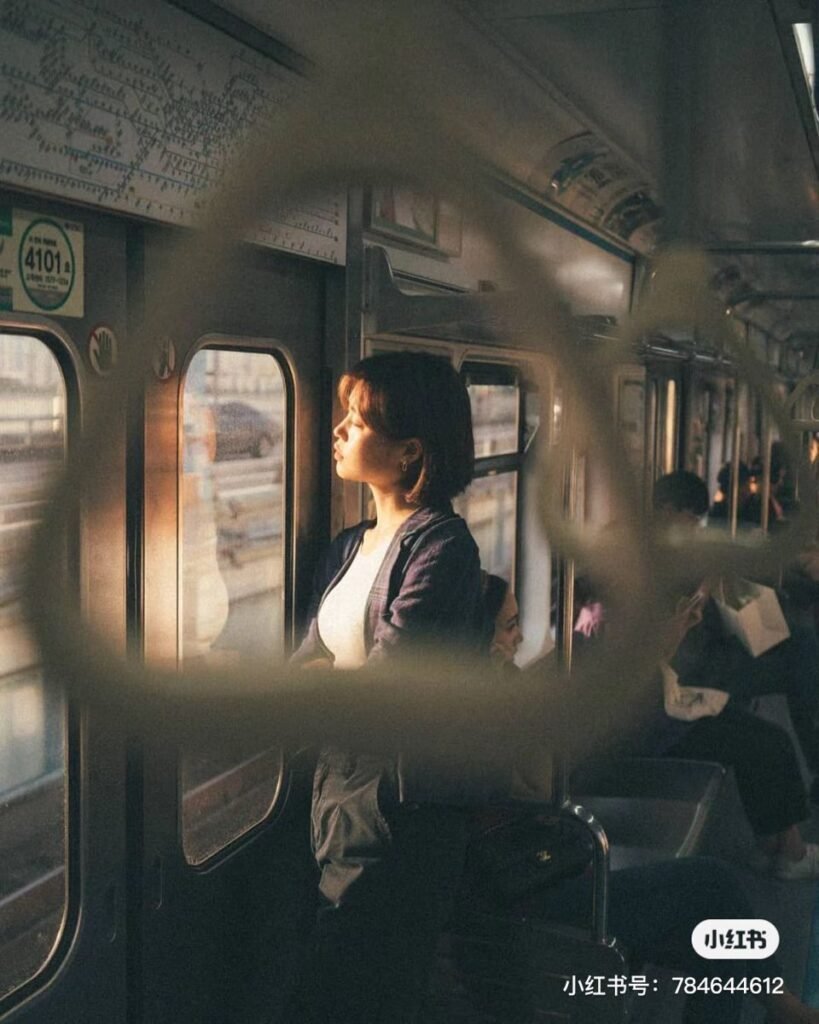
Ultimately, the language of photography is universal. It may express individual experiences, highlight cultures, and document history. Because of this, people all around the world can be moved, inspired, and informed by a single image.
Leave a Reply