
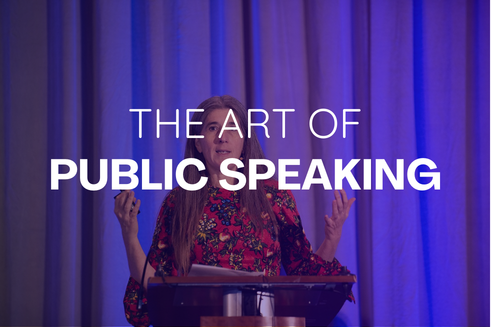

The photography at your conference won’t only consist of taking pictures, but it will be all about giving the narrative of your event and immortalizing the most important moments for the purposes of branding, promotion, and memories. The use of top-notch images not only helps in providing a demonstration of the energy of your event but also plays a role in making your business online and offline presence stronger.
Why Conference Photography Matters
1. Improves your brand perception
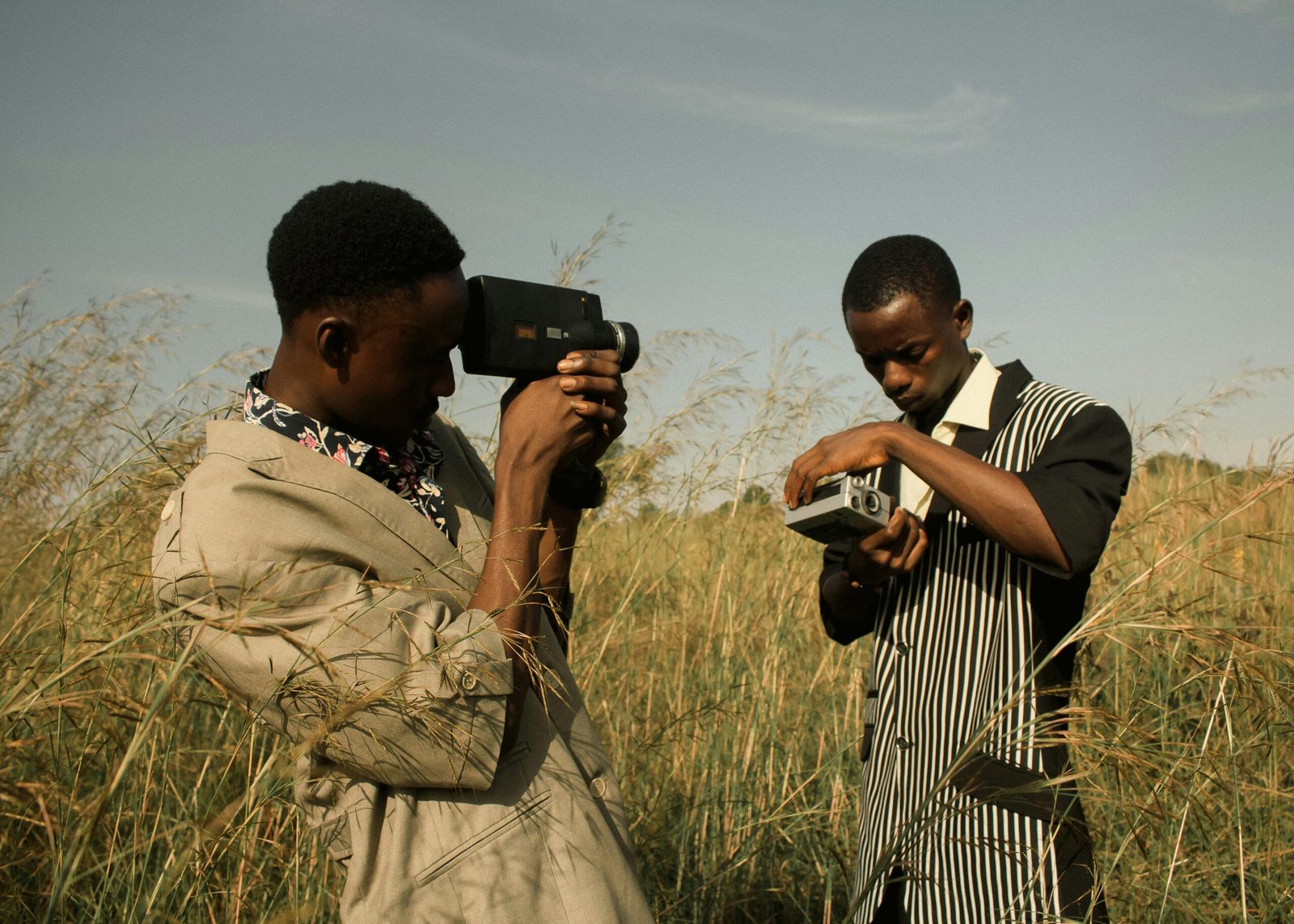
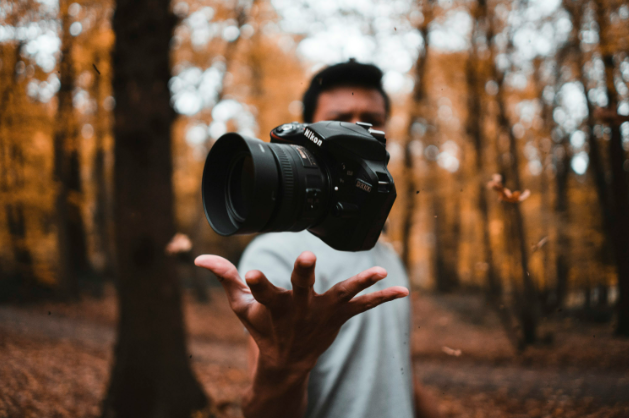
2. Delivers visual material for marketing, websites and social media
3. Assists in drawing future participants and sponsors

4. Makes the event stay virtual for a longer time than its actual duration
preparation: Plan Before You Shoot
Understand the Event Goals
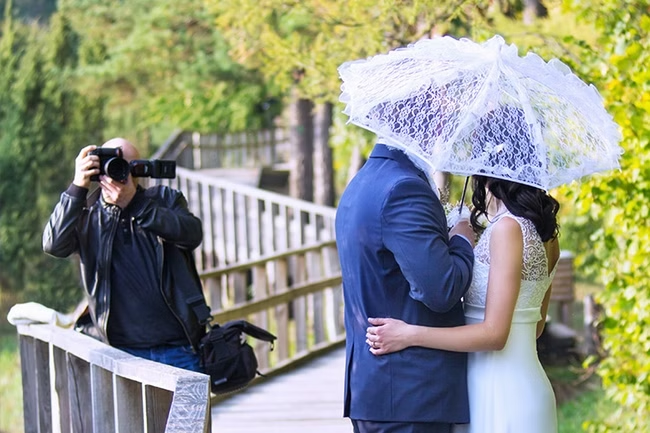
Ask the organizer what moments matter most speaker highlights, sponsor branding, or candid attendee reactions to guide your priorities.
Scout the Venue Early
Arrive ahead of time to evaluate lighting, key angles, and potential distractions. Knowing the venue helps you anticipate challenges.
Pack the Right Gear
A versatile set of lenses (wide for group shots, telephoto for speakers), extra batteries/memory cards, and discreet lighting tools (like a diffuser) will keep you prepared.
During the Event: Capture the Story
Balance Candid & Formal Shots
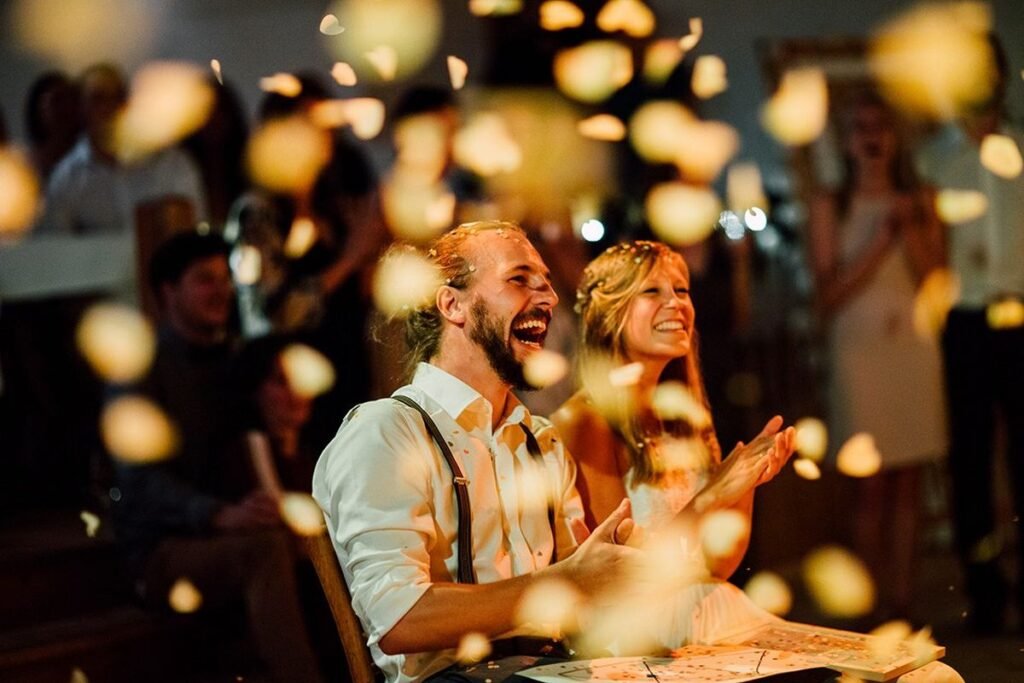
Combine candid moments—laughter, conversations, thoughtful looks, and spontaneous reactions—with posed photos. While candid images offer authenticity and passion and help viewers feel fully involved in the moment, formal shots identify who was present and what happened.
Focus on Engagement
Seek out moments where attendees are responding to speakers, taking notes, asking questions, networking, or working together. Static stage photographs lack the vitality and context that these photos provide, and they emphasize the significance and worth of the event.

Focus on Engagement
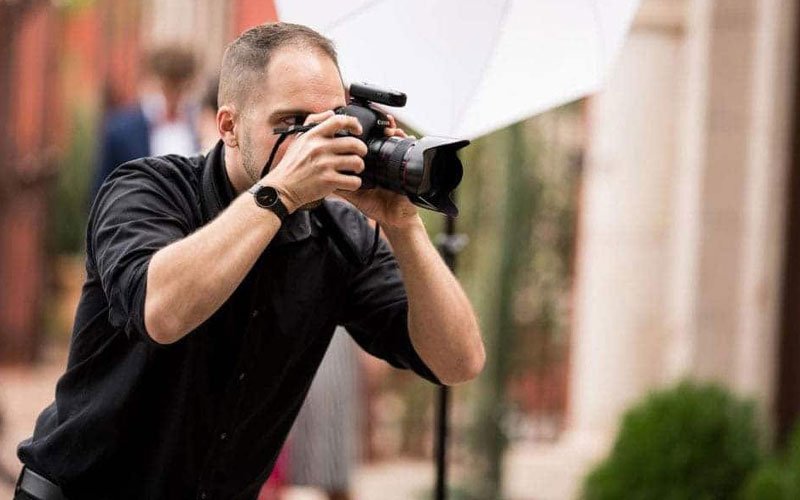
To prevent interfering with speakers, try to blend in as much as possible. Avoid intense flash, minimize shutter noise, and use available light whenever possible. The more subtle you are, the more organic and captivating the moments you will capture.
Post-Processing & Delivery
Editing is more than just refining photos; it’s creating the visual story of the event. To improve clarity and consistency, carefully adjust exposure, color balance, and crop. Before delivery, arrange pictures into separate folders (such as Speakers, Audience, and Networking).
Final Tips
- Stay until the end-important moments often happen late.
- For marketing purposes, capture branding components such as logos and signage.
- Describe everything visually, from registration and arrival to keynote highlights and closing remarks.
- It requires planning, technical skills, and a storyteller’s eye to take outstanding conference photos. When you use the proper technique, the images will not only capture an event but also make it come to life.
Leave a Reply