

Photography Changes How We See the World
Photographers use their cameras to explore the world.
They capture hidden stories.
Their images inspire change.

Introducing Photography
Søren Kierkegaard, in the 19th century, described photography as a powerful way to capture human identity. Since then, images have become more than simple records of events. They preserve emotion, document history, and shape how we remember moments.
Unlike other forms of media, photography freezes time. It allows viewers to pause, reflect, and interpret a scene in their own way. As a result, a single photograph can influence perception and create lasting impact.
Today, photography continues to evolve. However, its core purpose remains the same: to tell stories that words alone cannot fully express.
Photography
Photography as a Tool for Social Change — The Importance of Photography
Photography goes far beyond the visual aspect. In fact, it opens new avenues of exploration that we might never experience without it. For example, in the article “The Power of Photography” in Am. Mag: The Human Experience, Jeffrey Stum explains how powerful images create deeper understanding of individuals, places, and situations in today’s world.
Moreover, photography serves as a tool for discovery and reflection. Even before the rise of mobile phones and digital cameras, photographers were capturing fleeting moments that would otherwise have been lost forever. As a result, these images preserve history and shape collective memory.
Additionally, work produced by National Geographic photographers does more than document distant locations. Instead, it brings global issues into focus and challenges viewers to see beyond their immediate surroundings. Ultimately, photography not only records reality but also reshapes how we interpret and respond to it.
Photography can be used as a means of exploration and discovery. Even before the advent of mobile phones or digital cameras, there were already many examples of how photographers had captured fleeting images (or stills) of scenes that would otherwise have been lost forever. Photos created by the National Geographic photographers not only depict places removed from our regular environment but also serve the same purpose.

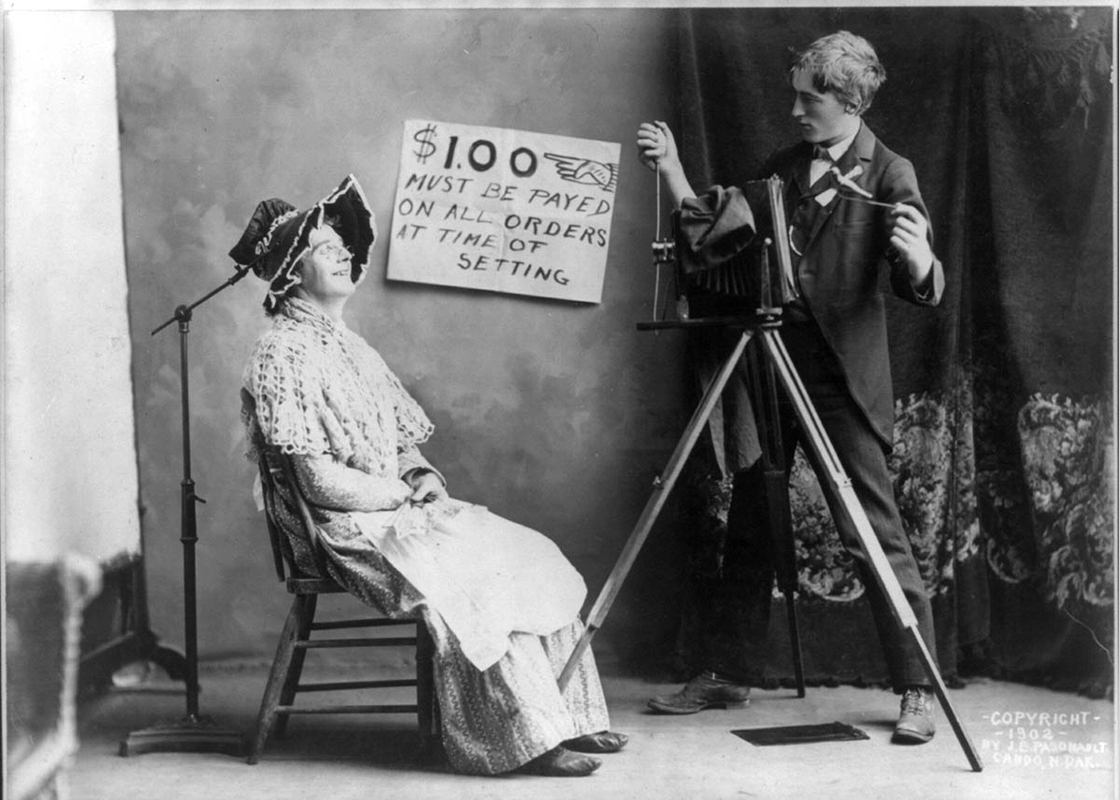
While many people’s images may represent nothing more than technical talent for using their camera correctly, these photos taken by the National Geographic photographers have significant value. They transport us beyond the familiar and remind us of the realities of existence and connection with our planet in the way that we live and learn. Great images about global warming, for example, may not be seen on the front page; however, they are very important and deserving of our attention.

A Face That Defined a Global Crisis
The Impact of Photography on Society Photography is more than just an art form; It allows us to emotionally identify with people and places that are far away and inspires us to feel compassionate and take action. Even though we currently live in a world filled with photographs, powerful images still have the capability of penetrating through the endless stream of images to provide us with immediate insight into what is happening in our lives and on our planet.
The Power of Iconic Images
Iconic photographs often express our thoughts and feelings, and one such photograph presented in the article features an Afghan girl by Steve McCurry. The girl’s eyes captured the attention of people around the world, providing a face to the plight of refugees, a story that words alone could never convey.

Leave a Reply