
A career in photography is not a straight-line career, and I have learned that there is no one-size-fits-all formula for success. Every photographer’s career is different, and this is due to hard work, education, and perseverance. The most important thing to remember is that photography is both an art and a profession that requires dedication beyond creating beautiful images.
Equipment I Started With
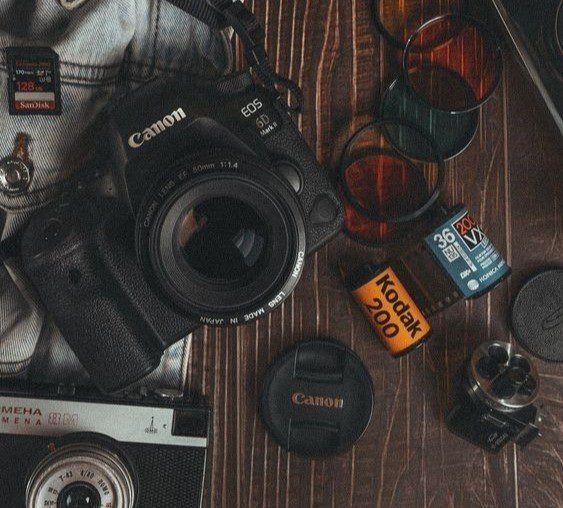
When I first started, I thought that simply upgrading to better equipment would somehow magically make me a better photographer. It took me a while to realize that it’s not as important as one might think, and that skill is much more important than equipment. It actually took me three years to outgrow my first camera, and two more years to upgrade to a full-frame, more professional body.
In retrospect, I am glad that I did not go in for costly equipment right away. I would advise that you begin with a decently priced crop sensor DSLR or mirrorless camera. You do not need much more than a basic setup consisting of one or two lenses. A prime lens like a 35mm or 50mm, along with a mid-range zoom lens, was instrumental in teaching me about composition, lighting, and camera operation.
If these terms seem unfamiliar at first, that is perfectly normal. Learning about photography equipment is part of the process, and it will become more clear with time and experience.
I would advise you to begin with one or two lenses and a reasonably priced crop sensor SLR or mirrorless. a prime (either 35mm or 50mm) and a mid-range zoom to begin with. Don’t worry if you don’t understand what I’m talking about or want to find out more about beginner photography equipment.
Dedication to the Work
One of the most valuable lessons I have learned is that there is no “right” way to go about a career in photography. But hard work and skill-building are a must. Achieving success as a photographer is not something that happens overnight, no matter how easy it may seem on platforms such as Instagram.
It takes time, patience, and hard work to build a photography business. I have come to understand that monetizing creativity sometimes requires sacrifice. Sometimes, this involves working for the needs of my clients rather than just for myself. As long as I am prepared to strike a balance between creativity and professionalism, I know that there is room to grow and succeed in this industry.
Focus on Learning Before Earning
One thing I would highly recommend is to focus on learning rather than earning in the initial phases. It is very tempting to take up paying assignments, but having strong fundamentals in terms of composition, lighting, and storytelling can make a world of difference in the quality of output.
Spending time practicing, learning from other photographers, and incorporating constructive criticism into my work allowed me to learn and improve at a faster rate. Investing in knowledge, whether it be through tutorials, workshops, or self-study, is just as important as investing in equipment.
Build a Portfolio With Purpose
Another key recommendation is to create a portfolio with purpose. Instead of featuring every photo I’ve ever taken, I’ve learned to select images that reflect the type of work I’d like to be hired for.
A targeted portfolio shows professionalism and focus. It also allows potential clients to see my style and abilities. Keeping the portfolio updated as skills are honed will ensure that it showcases current skills and not past weaknesses.
Conclusion
Photography is not a “rags to riches” tale of success, it is an investment of time, effort, and learning. With hard work, perseverance, and a commitment to both creative and professional endeavors, photography can be developed from a hobby into a career. By focusing on learning, development, and realistic goals, I am establishing a solid foundation for my journey in photography.
Leave a Reply